Evidence-Based Guidance for Digestive Regularity | Support Gut Health
Based on clinical research and medical guidelines

Evidence-Based Guidance
for Digestive Regularity

Practical, science-supported strategies to help promote healthy bowel function and comfort. Educational content only — individual results vary. Always consult a healthcare professional.

No harsh laxatives promoted
Focus on sustainable habits
Content informed by clinical studies and guidelines from organizations such as the American Gastroenterological Association
Important Medical Disclaimer: This website provides general educational information only and is not a substitute for professional medical advice, diagnosis, or treatment. Constipation can have various underlying causes. Always seek the advice of your physician or other qualified health provider with any questions you may have regarding a medical condition. Never disregard professional medical advice or delay in seeking it because of something you have read on this site. Individual results vary. This content does not claim to diagnose, treat, cure, or prevent any disease.
UNDERSTANDING THE CONDITION

What is occasional constipation?

Occasional constipation is characterized by infrequent bowel movements, hard or lumpy stools, or difficulty passing stool. According to the Rome IV criteria (widely used by gastroenterologists), it is often defined when a person experiences at least two of the following symptoms for a period of time:

  • Fewer than three bowel movements per week
  • Straining during bowel movements
  • Hard or lumpy stools
  • Sensation of incomplete evacuation
  • Sensation of anorectal blockage

When to consult a healthcare professional

  • • Blood in the stool or black/tarry stools
  • • Severe or persistent abdominal pain
  • • Unexplained weight loss
  • • Sudden onset of constipation after age 50
  • • Symptoms that do not improve with lifestyle changes
  • • Family history of colorectal conditions
This content is for educational purposes. Please consult a qualified healthcare provider for personalized advice.
COMMON CONTRIBUTING FACTORS

Factors that may contribute to occasional constipation

Diet low in dietary fiber

Diets high in processed foods and low in fruits, vegetables, and whole grains are among the most common contributing factors.

Inadequate fluid intake

Insufficient hydration can lead to harder stools that are more difficult to pass.

Physical inactivity

Lack of regular movement can reduce natural intestinal motility.

Stress and lifestyle factors

The gut-brain connection is well-established. Stress and changes in routine can influence digestive function.

Certain medications

Some medications, including certain pain relievers, antacids, iron supplements, and others, may contribute to changes in bowel habits.

Other influences

Aging, hormonal changes, travel, and consistently ignoring the urge to have a bowel movement can also play a role.

FOUNDATIONAL STRATEGIES

Core Pillars for Supporting Digestive Regularity

Many people find that combining several evidence-informed habits supports better digestive function over time.

1. Adequate Hydration

Many health authorities recommend adequate daily fluid intake. Increasing water consumption is a common first step discussed for supporting stool consistency.

Practical tip: Start the day with a glass or two of water.

2. Dietary Fiber

Dietary fiber from food sources is widely recommended. The general guidance for adults is often in the range of 25–38 grams per day, increased gradually.

Good sources: oats, kiwi, prunes, flaxseed, vegetables, legumes.

3. Regular Physical Activity

Regular movement, such as walking, is frequently recommended as part of a healthy lifestyle that may support digestive motility.

Many find a 20–40 minute walk after meals helpful.

4. Consistent Routine

Establishing a regular time for bowel movements (often after meals due to the gastrocolic reflex) and responding promptly to the urge can be supportive habits.

Avoid ignoring the natural urge when possible.

5. Toilet Posture

Elevating the feet so knees are above the hips (using a footstool) can help open the anorectal angle and may reduce straining for some people. This is supported by studies on defecation posture.

A simple footstool or stack of books can be effective.
A SIMPLE, EVIDENCE-INFORMED TECHNIQUE

Optimizing toilet posture

When sitting normally on a standard toilet, the puborectalis muscle remains partially tensed, creating an angle in the rectum that can make evacuation more difficult. Elevating the feet helps straighten this angle.

1
Place your feet on a low footstool or support so your knees are higher than your hips.
2
Lean slightly forward and rest your elbows on your knees if comfortable.
3
Breathe deeply and avoid excessive straining.
Research on defecation posture shows reduced straining and improved sense of complete evacuation for many people.
Recommended toilet posture with feet elevated - supporting easier and more comfortable bowel movements

Recommended posture: knees higher than hips

FOODS DISCUSSED IN RESEARCH

Foods that have been studied in relation to digestive regularity

Certain foods appear in clinical research related to bowel function. Results vary by individual.
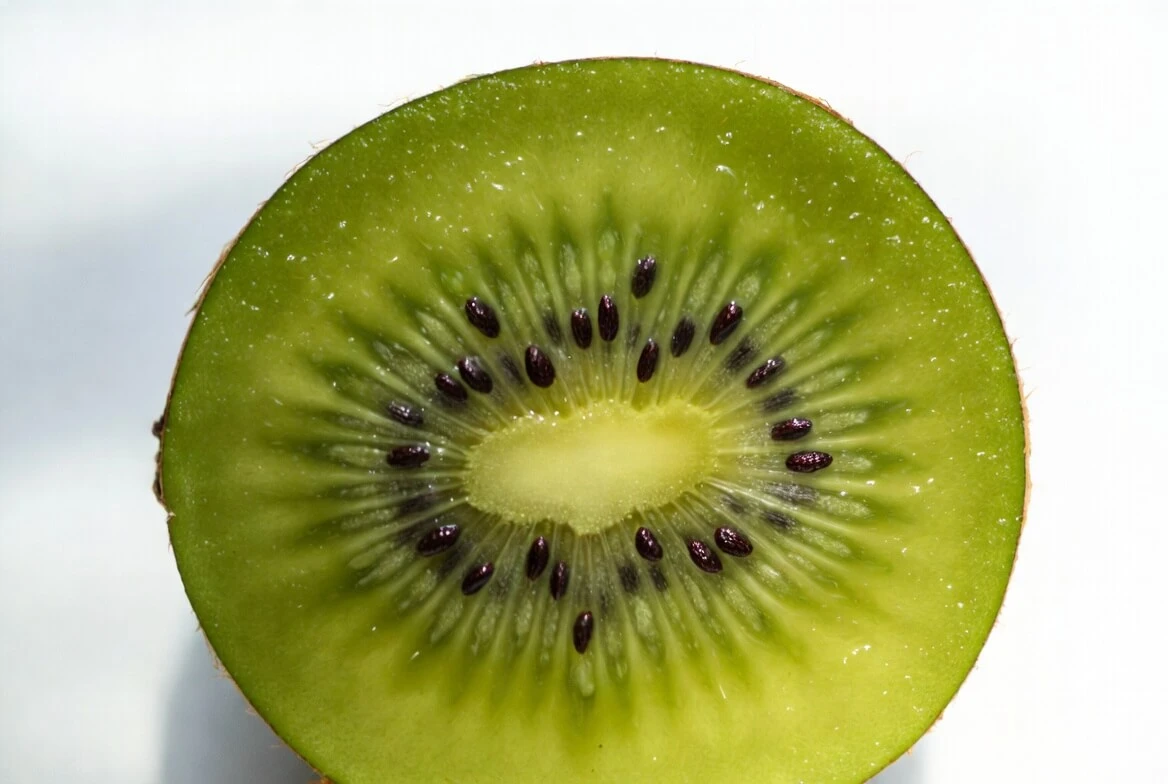
Fresh green kiwifruit - food studied in research for digestive regularity
RESEARCH HIGHLIGHT

Green kiwifruit (2 per day)

Randomized studies, including those published in the American Journal of Gastroenterology, have examined the effects of consuming two green kiwifruits daily on stool frequency, consistency, and bloating. Many participants reported improvements, and it was often well-tolerated compared to some fiber supplements.

Typical amount studied: 2 kiwis daily

Dried prunes / prune juice

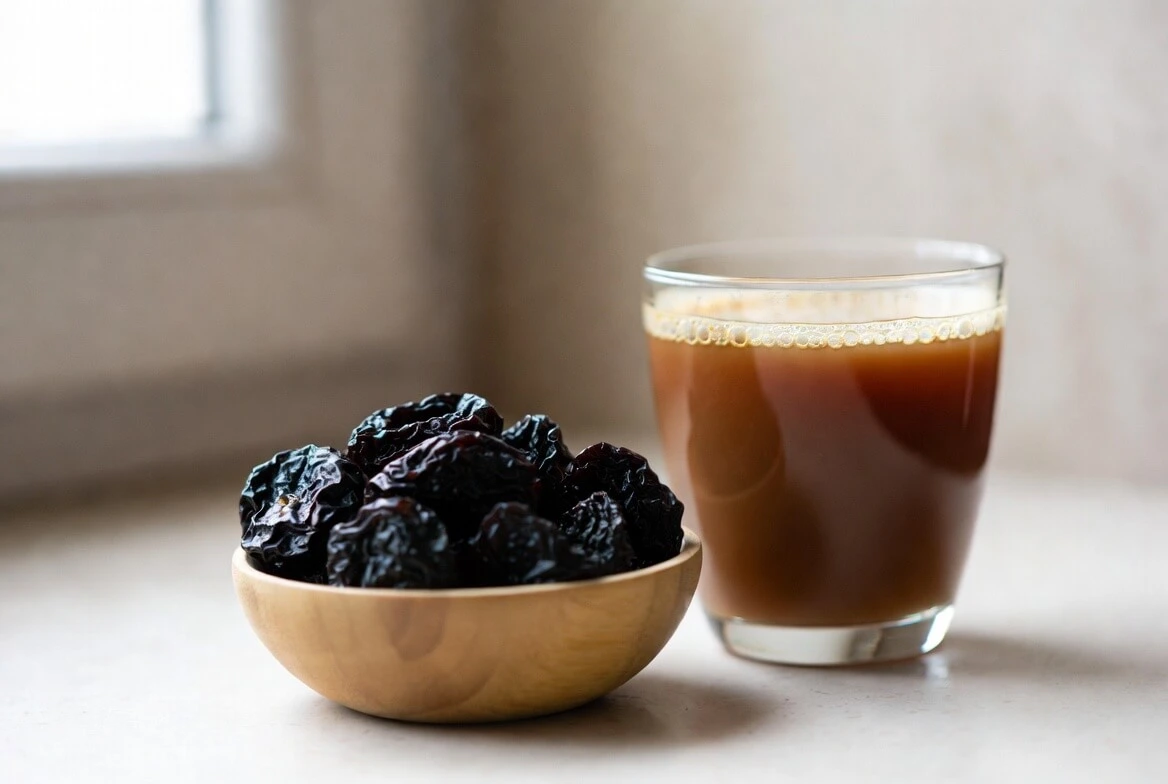
Prunes contain sorbitol, fiber, and polyphenols. Multiple studies have evaluated their effect on bowel movement frequency and stool consistency. They are among the foods most consistently mentioned in research on occasional constipation.
Common approach in studies
Approximately 100g of prunes or prune juice daily. Start with a smaller amount to assess tolerance.
What research suggests
Effects may be noticed within hours to a day for some people. Combine with adequate hydration.
Dried prunes - one of the foods commonly studied for digestive support

Papaya, oranges with pulp

These fruits provide soluble fiber and are frequently included in dietary recommendations for digestive health.

Flaxseed and chia seeds

When mixed with water, these form a mucilaginous gel that may help soften stool. Use 1 tablespoon with plenty of fluids.

Oats and legumes

Excellent sources of dietary fiber. Increase gradually if you are not accustomed to higher fiber intake to minimize gas.

SUPPLEMENTS DISCUSSED IN RESEARCH

Magnesium and digestive regularity

Certain forms of magnesium (such as magnesium citrate and magnesium oxide) have been studied for their osmotic effect, which draws water into the intestines and may help soften stool. Clinical reviews and trials support their use in some cases of occasional constipation.

Magnesium citrate
Generally faster acting. Often used for short-term support.
Magnesium oxide
Tends to have a gentler, more gradual effect. Commonly discussed for ongoing use under guidance.
Start with a lower dose and consult a healthcare provider before beginning supplementation, especially if you have kidney concerns or take other medications.
ACTIONABLE SUPPORT

14-Day Supportive Routine

This is a general framework. Results and tolerance vary. Consistency with foundational habits is key. Consult a professional for personalized advice.

WEEK 1 — BUILD FOUNDATIONS
Days 1–3: Hydration + Posture
  • • Increase daily fluid intake toward recommended levels
  • • Use proper toilet posture (foot elevation)
  • • Respond to the natural urge promptly
Days 4–7: Add Fiber-Rich Foods + Movement
  • • Include 1–2 kiwis or a small serving of prunes daily
  • • Aim for a 20–40 minute walk after main meals
  • • Add a tablespoon of ground flaxseed or oats
WEEK 2 — REFINE AND SUSTAIN
Days 8–10: Gradual Adjustments
  • • Continue increasing fiber gradually toward 25g+ daily
  • • Establish a consistent time for bowel movements
  • • Consider discussing magnesium with your healthcare provider if appropriate
Days 11–14: Monitor and Maintain
  • • Track what feels best for your body
  • • Adjust amounts based on tolerance and response
  • • Maintain the habits that support you best
  • • If symptoms persist, consult a healthcare professional
This is general educational information. It is not personalized medical advice. Results vary significantly between individuals.

Common Misconceptions

MISCONCEPTION

"You must have a bowel movement every single day to be healthy."

Reality: Normal frequency varies widely — from three times per week to three times per day is generally considered within a healthy range for many people, as long as stools are comfortable to pass and there are no other concerning symptoms.
MISCONCEPTION

"Laxatives are a long-term solution."

Reality: While laxatives can provide short-term relief, frequent or long-term use of stimulant laxatives may affect natural bowel motility in some cases. Addressing underlying dietary and lifestyle factors is often emphasized in medical guidance.

Frequently Asked Questions

It varies significantly from person to person. Some people notice improvements in stool consistency or frequency within a few days when increasing hydration, fiber, and movement. For others with longer-standing patterns, it may take 2–4 weeks of consistent habits. If no improvement occurs, consult a healthcare provider.
Many people use magnesium supplements under medical guidance for ongoing support. However, it is important to consult your healthcare provider first, especially if you have kidney issues or take medications, as excessive intake can cause side effects such as diarrhea or electrolyte imbalances.
Yes, many people include both in their routine. Start with smaller amounts to see how your digestive system responds, and ensure you are drinking enough fluids.
Occasional constipation can sometimes be related to underlying medical conditions, medications, or other factors. If symptoms persist despite consistent lifestyle changes for several weeks, it is important to consult a gastroenterologist or your primary care provider for further evaluation.

Ready to support your digestive health?

Small, consistent changes often make the biggest difference over time. Start with the foundational habits outlined above.

This content is for educational purposes only and does not replace professional medical advice. Individual results vary. Consult your healthcare provider before making significant changes to your diet or supplementation.
Digestive Regularity Guide

Educational resources grounded in clinical research and medical guidelines to help support digestive health through sustainable habits.

FOLLOW
Content updated January 2026.
Last reviewed: July 14, 2026.
MEDICAL DISCLAIMER: The information on this website is provided for educational and informational purposes only and is not intended as medical advice. It should not be used to diagnose, treat, cure, or prevent any disease or health condition. The content is not a substitute for professional medical advice, diagnosis, or treatment from a qualified healthcare provider. Always consult your physician or other qualified health professional with any questions you may have regarding a medical condition or before starting any new diet, exercise, or supplementation program. Individual results vary. If you think you may have a medical emergency, call your doctor or go to the nearest emergency room immediately.
© 2026 Digestive Regularity Guide. All rights reserved.
Created with care to provide helpful, evidence-informed information.